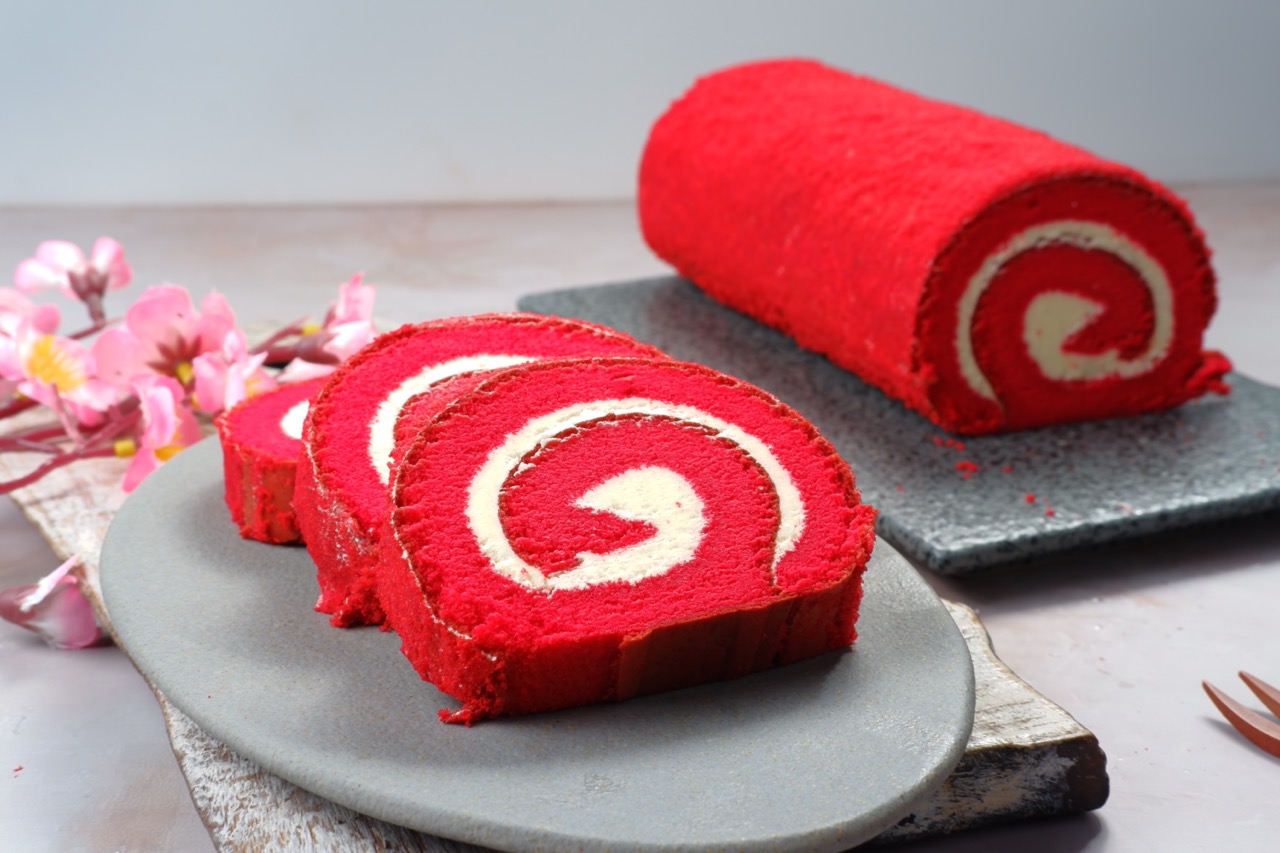
Replace Red 40 confidently
Get in touch to request samples, discuss custom formulations, or obtain volume pricing for your supply chain.
talk to a color expertRed 40, known chemically as Allura Red AC, is the most widely used synthetic color additive in the United States, appearing in tens of thousands of indexed food products. Unlike FD&C Red No. 3, which the FDA formally revoked in January 2025 with a binding reformulation deadline, Red 40 sits in a different category. In April 2025, the FDA announced a voluntary industry commitment to phase out Red 40 and five other petroleum-based dyes, with a target date that industry trackers now place at the end of 2026 or 2027, depending on the source. As of this writing, the FDA has not revoked Red 40's authorization, and it remains legal to use in food sold at retail nationwide.
Voluntary at the federal level does not mean optional in practice. West Virginia has already enacted a statewide ban covering Red 40 and several other dyes, with school meal restrictions in effect since August 2025 and a full retail ban set for January 2028. California, Virginia, and Utah have passed school meal bans on Red 40 with their own effective dates, and dozens of additional states have introduced similar legislation. Major manufacturers have made their own public commitments well ahead of any government deadline to remove synthetic dyes from their US product lines. For a brand selling nationally, the practical deadline is often whichever state or retailer moves first, not the federal target date.
Red 40 reads as a warm orange red rather than the deep cherry red of Red No. 3, which matters enormously when selecting a natural replacement. A straight swap to a magenta-leaning pigment like beet or certain anthocyanins can leave a product looking more pink or purple than the orange-red shoppers associate with the original formula. Sources that lean warmer, such as lycopene, annatto, and paprika oleoresin, generally track more closely to Red 40's actual hue and are worth testing first before reaching for the cooler-toned reds covered in our beet, anthocyanin, lycopene, and carmine comparison.
Red 40 earned its dominance in part because it tolerates heat, light, and a wide pH range better than almost any natural alternative. Reformulators need to plan around this gap rather than expect a single natural pigment to match it on every axis. Our bakery stability post covers this in detail: heat-sensitive pigments are generally best suited to post-bake applications. At the same time, heat-stable sources like carotenoids and caramel color can go directly into a batter or dough that will undergo a full processing cycle.
Natural pigments typically require a meaningfully higher usage rate than Red 40 to achieve the same visual intensity, which changes the cost calculation for a reformulated product. Building this into the cost model early, rather than discovering it during a pilot run, keeps a reformulation project from stalling out over margin concerns late in development.
Very few single natural sources will land on Red 40's exact shade without adjustment. Blending two or more pigments, such as a lycopene-annatto combination for a snack coating or a small addition of anthocyanin to warm up a beet-based beverage, is standard practice for closing the final gap between a natural formulation and the synthetic shade it replaces.
Start with a full inventory of every product using Red 40, grouped by application type rather than by brand or category. A beverage, a snack coating, and a gummy supplement will each require a different natural source, so grouping by system lets a formulation team reuse learnings across similar products rather than solving the same problem repeatedly.
Every reformulation should be piloted at production scale and evaluated across the full expected shelf life under real display and storage conditions, not just checked immediately after production. This is especially important for Red 40 replacements, since many natural pigments that look correct on day one will fade or shift well before a product's normal sell-through window ends.
Once a product is reformulated, the ingredient panel, any color-related claims, and certifications such as vegan or Halal status should all be reviewed together, since a change in color source can affect more than just the ingredient statement. Coordinating this review with regulatory and marketing teams before launch avoids a mismatch between what the label says and what the product now contains.

© 2026 Vivify company llc | All Rights Reserved | SITEMAP | ACCESSIBILITY statement | TERMS