Clean-Label Pet Nutrition
Get in touch to request samples, discuss custom formulations, or obtain volume pricing for your supply chain.
talk to a color expertPet food purchasing increasingly mirrors human food trends, as pet owners apply the same clean-label expectations to their pets' food that they hold for their own — a shift that has accelerated demand for natural colors across the pet food category.
Many of the same consumer concerns driving synthetic-to-natural color conversion in human food and beverage — covered extensively elsewhere in this content series — are now showing up in pet food purchasing decisions, making this less a pet-specific trend and more an extension of a broader clean-label movement.
Pet food operates under its own regulatory framework, distinct in some respects from human food regulation — understanding these differences is essential before assuming a natural color approved for human food applications transfers directly to a pet food formulation.
As with human food, pet food natural color claims depend on sourcing transparency — pet food brands increasingly highlight ingredient origins as part of their clean-label positioning, making color sourcing part of the broader label story rather than just a technical formulation detail.
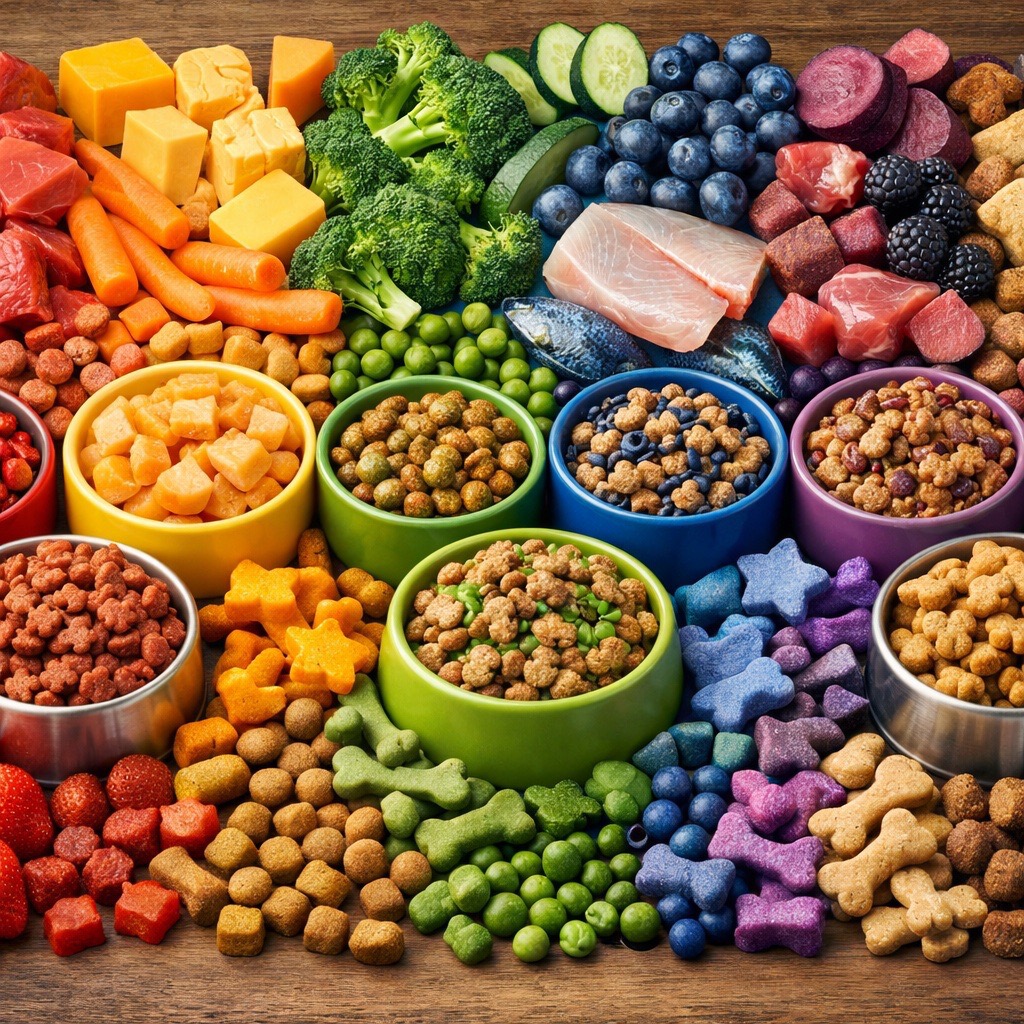
Color in pet food often functions primarily as a visual cue for the person buying the product, signaling freshness, quality, or ingredient identity (like the orange of a sweet-potato-inclusive formula) — an important distinction from flavor or aroma cues, which matter more directly to the pet.
Because the purchase decision is made by the owner, not the pet, natural color formulation in this category is best approached with the same visual-appeal principles used in human food and beverage marketing, even though the end consumer of the product is not the one making the purchase decision.
A successful natural color transition in pet food works best as part of a broader clean-label reformulation — considered alongside other ingredient claims — rather than a standalone color swap treated in isolation from the rest of the formulation.
Given the category's distinct regulatory environment and consumer dynamics, a technical partner experienced in both natural color science and the specific formulation and regulatory landscape of pet food can help brands avoid missteps that a general food-industry approach might overlook.

© 2026 Vivify food & beverage | All Rights Reserved | SITEMAP | ACCESSIBILITY statement | TERMS