Acid favors stable pink
Get in touch to request samples, discuss custom formulations, or obtain volume pricing for your supply chain.
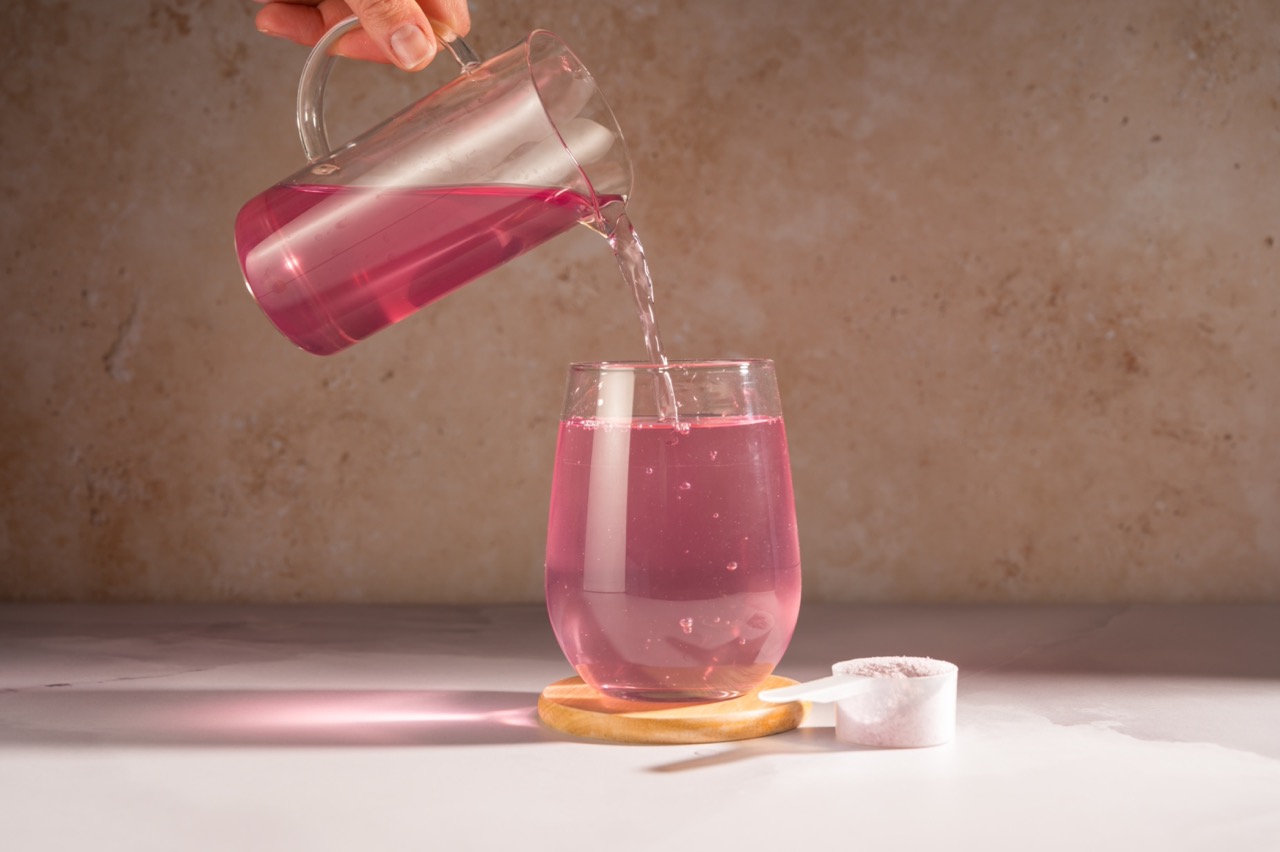
talk to a color expertAcidic beverages are, somewhat counterintuitively, one of the easiest environments in which to hold a natural pink. Anthocyanins exist predominantly in their stable, colored flavylium form under strongly acidic conditions, which is exactly the pH range most still and carbonated beverages already occupy. This means a beverage formulator working with anthocyanins for pink is often starting from a genuine formulation advantage rather than fighting the pigment's natural chemistry.
Betanin behaves differently. While it tolerates a reasonably wide pH range, its comfort zone is closer to neutral than the strongly acidic range where anthocyanins thrive, so a very low-pH beverage can push be tan in slightly outside its ideal stability window, even though the same conditions are ideal for anthocyanins. Confirming the exact pH of the finished beverage, not just an approximate target, matters more here than the general pH tolerance numbers on a technical data sheet suggest.
Even within a favorable pH range, heat processing remains areal variable. Hot fill and pasteurization expose the pigment to sustainedelevated temperature, and UHT processing adds an even higher, if brief, thermalspike. Radish extract and acid-stabilized anthocyanins generally tolerate these processes better than betanin, which should factor into source selection whenever a beverage will experience meaningful heat during production.
Beverages sold in clear glass or clear plastic packaging face continuous light exposure at retail that opaque packaging avoids entirely.This is one of the most controllable variables in the entire formulation, since a packaging change, such as a tinted bottle or a light-blocking sleeve, can meaningfully extend color life without altering the formulation itself.
Beverages fortified with vitamin C introduce an additional variable worth screening early, since the interaction between ascorbic acid and red pigments such as betanin can vary with oxygen exposure, trace metal content, and the specific formulation. Rather than assuming a fixed outcome in either direction, treat any vitamin C-fortified pink beverage as a candidate for dedicated compatibility testing before finalizing the formulation.
If the beverage includes any level of ascorbic acid fortification, run a dedicated compatibility trial between the vitamin C level and the candidate pigment before committing to a formulation, rather than assuming standard stability data applies unchanged in a fortified system.
Confirm the exact heat exposure the beverage will see,whether that is hot fill, pasteurization, or UHT, and select a source, most likely radish extract or an acid stabilized anthocyanin, that has been validated for that specific process rather than relying on general heat stability claims alone.
Run a complete shelf life trial under the actual packagingand expected retail lighting conditions the product will face, following the same testing discipline covered throughout this series, since a formulation that looks stable in an opaque test container can still fade meaningfully once it reaches a clear bottle on a lit shelf.

© 2026 Vivify company llc | All Rights Reserved | SITEMAP | ACCESSIBILITY statement | TERMS