Three pink sources compared
Get in touch to request samples, discuss custom formulations, or obtain volume pricing for your supply chain.
talk to a color expertBeet, radish, and the broader anthocyanin family, including grape, purple sweet potato, and red cabbage covered earlier in this series, all represent legitimate paths to a natural pink. Each starts from a different natural hue and stability profile, so the best choice depends heavily on the specific application rather than on a single universal answer.
Betanin provides the deepest, most saturated starting hue of the three, giving a formulator a wide dilution range when targeting different shades of pink. Its heat and light sensitivity, covered in detail in our original red color post, remains its primary limitation, particularly in any application involving sustained processing heat.
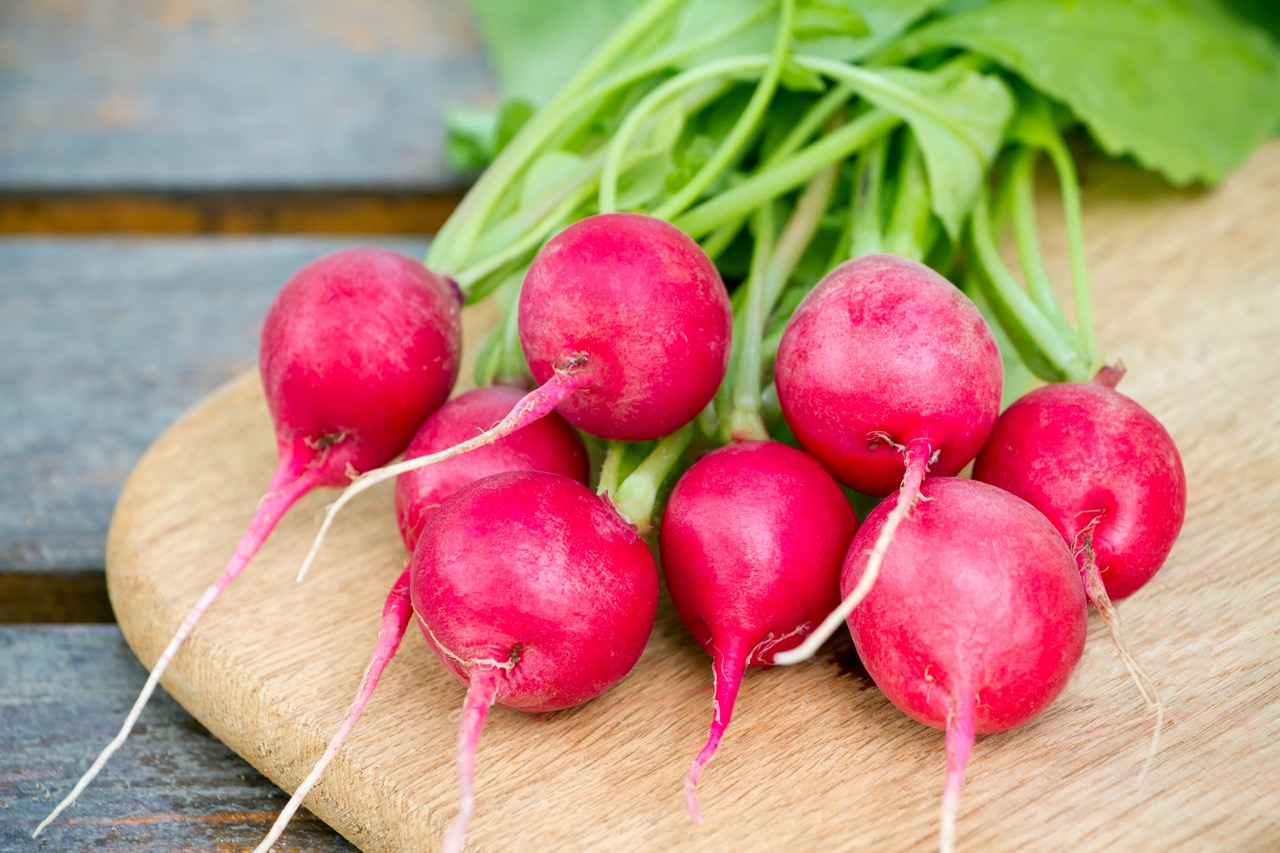
Radish extract already leans toward pink and magenta before any dilution occurs, and its natural acylation gives it a genuine stability advantage over betanin and many non-acylated anthocyanin sources. It has become a favorite, specifically for pink-targeted formulations rather than general-purpose red work.
Anthocyanins from grape, purple sweet potato, red cabbage,or other sources can all turn pink when held at a strongly acidic pH,leveraging the same red-leaning flavylium form that makes acidic conditions the most stable environment for this entire pigment family. The specific stability and hue profile depend heavily on the underlying anthocyanin source chosen,following the same logic covered in our anthocyanin source comparison post.
Beet remains a strong default when cost efficiency and a wide usable dilution range matter more than maximum heat stability,particularly in cold fill or lightly processed applications.
Radish extract is generally the strongest choice when a formulation needs to hold a bright, stable pink through real processing heat and extended shelf life under retail lighting, thanks to its natural acylation advantage.
A well-chosen anthocyanin source is often the most efficient option when the base product is already strongly acidic, since that environment plays directly to the pigment's inherent stability rather than requiring extra formulation work to compensate for it.

© 2026 Vivify company llc | All Rights Reserved | SITEMAP | ACCESSIBILITY statement | TERMS